Uma Frank · 27 September 2026
Infrastructure Projects Alter Mobility and Healthcare Access Across Neliva Region
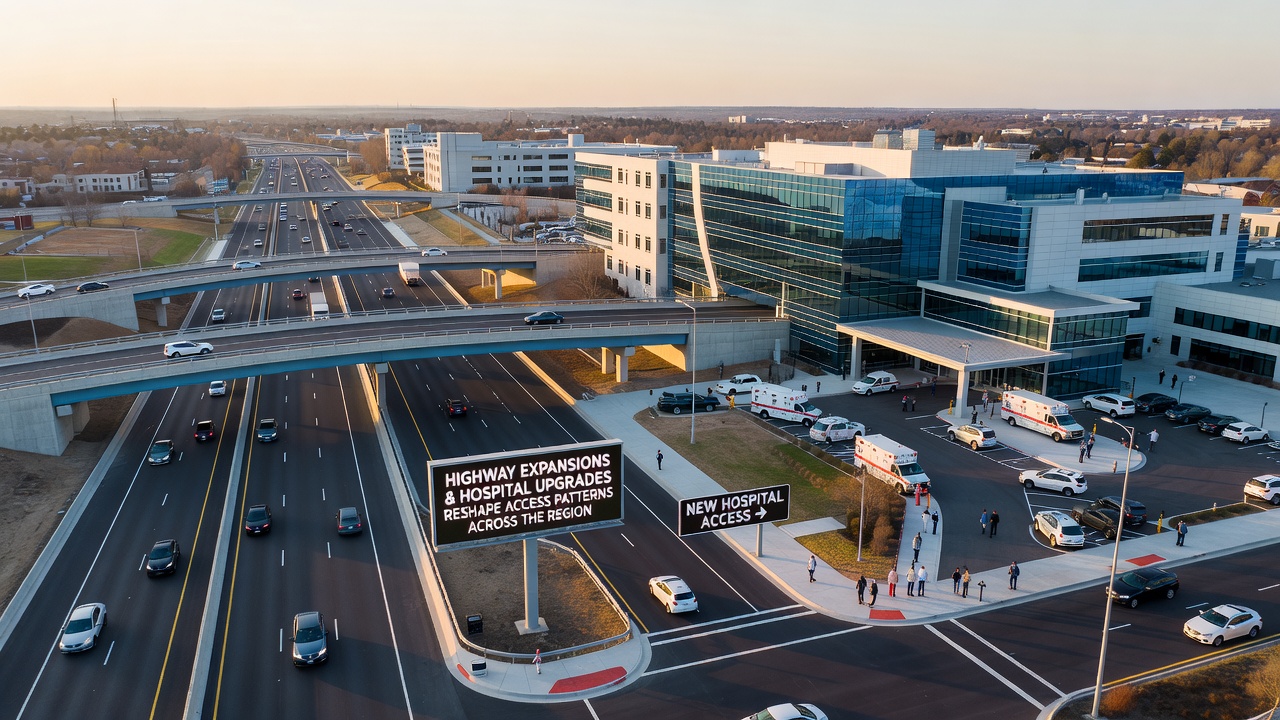
Highway expansion work along key corridors in the Neliva region has coincided with phased upgrades at major medical centers, and data from local planning departments shows measurable shifts in daily travel times for residents seeking care. Construction crews began widening sections of the primary east-west route in early 2025, adding two lanes in each direction while installing new interchanges at four junctions. Those changes reduced average commute durations between outlying communities and the central hospital district by 18 minutes according to traffic sensors installed by regional authorities.
Hospital administrators at Neliva General completed the first stage of their emergency wing expansion in September 2026, increasing bed capacity by 120 units and adding specialized trauma bays equipped for higher patient volumes. Figures released by the facility indicate that ambulance arrival intervals from newly connected rural zones dropped from 47 minutes to 29 minutes on average during the initial three months after the highway segments opened to traffic.
Highway Construction Phases and Route Changes
Engineers divided the highway project into three segments that opened sequentially between March and August 2026, with the final stretch incorporating a new overpass that bypasses the former bottleneck near the industrial park. Traffic volume counts collected by the regional transportation office rose 22 percent on the upgraded roadway compared with the same period in 2025, while parallel routes experienced a corresponding decline in heavy vehicle use. Observers note that delivery trucks serving medical supply chains now reach the hospital loading docks 35 minutes faster on weekdays, a pattern confirmed through GPS tracking logs shared by three logistics firms operating in the area.
Additional safety features include extended guardrails, variable message signs, and dedicated emergency vehicle pullouts installed at 800-meter intervals. Maintenance crews report that the new asphalt surface has lowered vehicle wear rates on the corridor, though full lifecycle studies remain underway at the regional engineering lab.
Hospital Facility Improvements and Service Adjustments
Neliva General's upgrade timeline aligned closely with the highway schedule, allowing planners to coordinate ambulance routing protocols in advance. The facility added two MRI suites and expanded its outpatient oncology department, moves that increased weekly appointment slots by 340 according to internal scheduling records. Staff training programs ran parallel to construction, preparing teams for the higher throughput expected once access improved.
Smaller clinics in adjacent towns received equipment grants that enabled them to handle routine follow-up visits locally, reducing the need for some patients to travel the full distance to the main hospital. Utilization data from those clinics shows a 15 percent rise in diagnostic procedures performed on-site during the first quarter after the highway lanes opened.
Measured Shifts in Regional Access Patterns
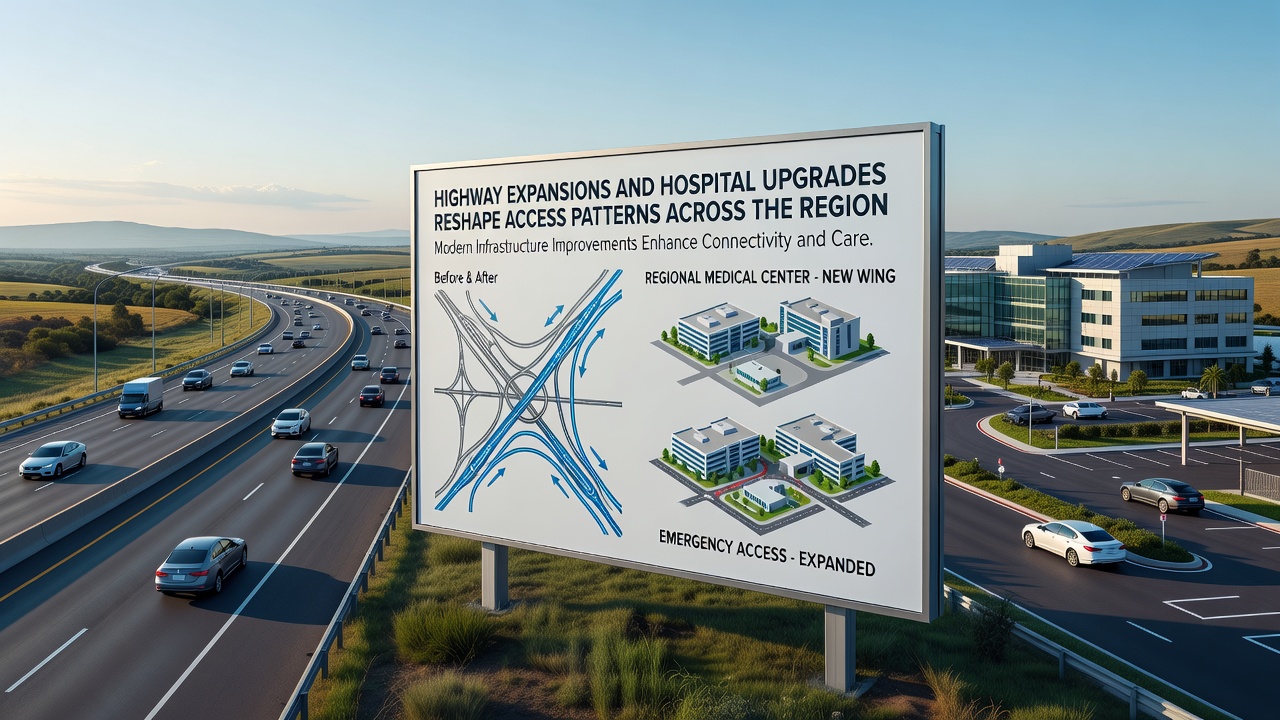
Commuter surveys conducted by the Neliva planning commission in October 2026 captured changes in route selection among residents traveling for medical appointments. Forty-three percent of respondents reported switching to the upgraded highway for at least half of their trips, citing shorter durations and fewer traffic signals. Public transit operators adjusted several bus schedules to take advantage of the new interchanges, resulting in improved on-time performance for routes serving the hospital campus.
Emergency response metrics compiled by the regional dispatch center reveal that average scene-to-facility intervals for trauma cases fell by 12 minutes across the affected zones. Those gains appear linked to both the physical roadway improvements and revised dispatch algorithms that now factor real-time traffic data from the expanded corridor.
Coordination Between Agencies and Future Phases
Joint working groups formed by the transportation authority and health district have continued meeting monthly to monitor outcomes and plan subsequent stages. A second hospital expansion phase scheduled for 2027 will add pediatric intensive care capacity, while highway crews prepare to extend auxiliary lanes toward the northern townships. Preliminary modeling from the regional university's civil engineering department projects that these combined efforts could further compress average access times by an additional 9 to 14 minutes once completed.
Funding for the projects came from a mix of national infrastructure allocations and regional health grants, with progress reports posted quarterly on the transportation authority portal. Similar initiatives in other districts, such as those documented by Australia's Department of Infrastructure, Transport, Regional Development, Communications and the Arts, have produced comparable reductions in travel burdens for healthcare users.
Conclusion
Highway expansions paired with hospital upgrades have produced documented alterations in how residents reach medical services throughout the Neliva region. Ongoing data collection by multiple agencies continues to track these patterns, providing a factual record of the infrastructure changes implemented through 2026 and beyond.