Hugo Carter · 11 October 2026
Neliva Infrastructure Upgrades Forge Connections Between Commercial Centers and Cultural Traditions
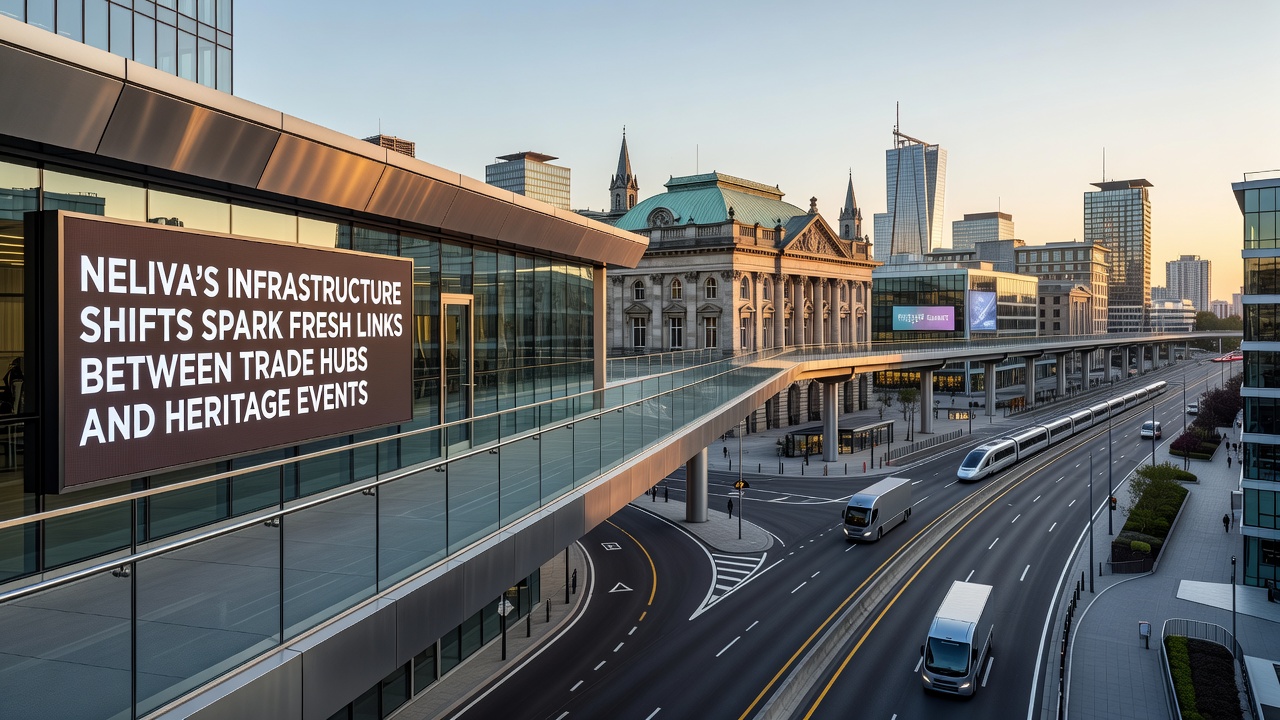
Recent infrastructure developments across the Neliva region have established direct pathways that tie expanding commercial zones to longstanding cultural gatherings, with several projects reaching key milestones ahead of October 2026 events. Transportation corridors completed in the past eighteen months now route goods and visitors from major trade facilities straight to festival sites that draw participants from surrounding districts, according to regional planning records. These upgrades include widened roadways, new rail spurs, and enhanced logistics terminals that reduce travel times between distribution points and heritage locations. Data from the European Commission shows that similar connectivity investments in comparable European zones have increased cross-sector activity by measurable margins over multi-year periods. Observers note that Neliva's approach integrates existing trade volumes with seasonal cultural programming rather than treating the two as separate domains.Trade Hub Expansions and Their Reach
Neliva's primary commercial centers have undergone capacity increases through added warehousing, updated port-adjacent facilities, and digital tracking systems that coordinate shipments more efficiently. These changes coincide with rising demand for local goods that often feature at heritage events, creating practical overlaps where produce and crafts move directly from storage areas to festival markets. One logistics terminal opened last spring now handles overflow from three nearby hubs, shortening delivery windows during peak cultural seasons.
Figures from the Asian Development Bank on infrastructure patterns in mixed urban-rural settings indicate that such terminal additions typically support sustained trade growth when paired with cultural calendars. In Neliva the effect appears in coordinated schedules that align cargo arrivals with event setups, allowing vendors to stock displays without intermediate storage steps. This arrangement has become standard practice at several sites where heritage programming runs through late October.
Heritage Events Gaining from Improved Access
Cultural festivals in the region have expanded their physical footprints thanks to better road links and pedestrian pathways that accommodate larger crowds while preserving site integrity. Organizers at multiple locations report streamlined logistics for equipment and participant transport, with some events extending their duration into early November because arrival and departure flows no longer create bottlenecks. Preservation groups have documented stable attendance numbers alongside reduced vehicle congestion around protected areas.
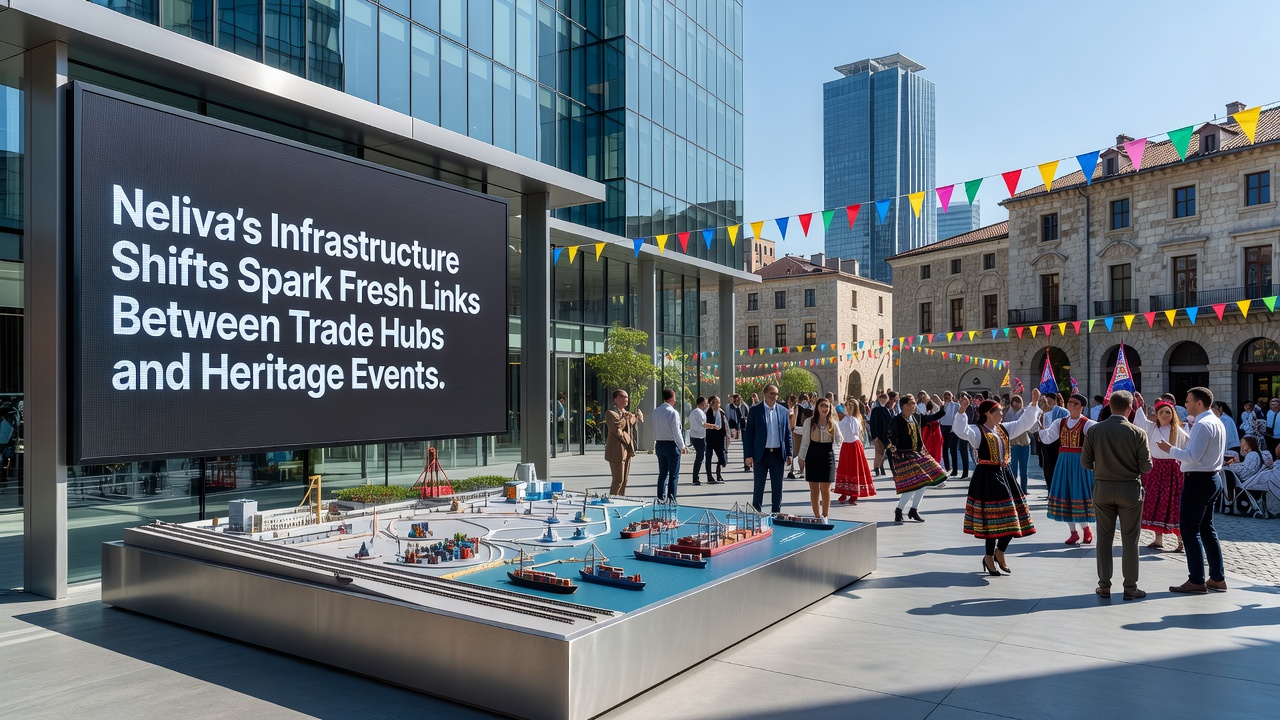
Researchers tracking event logistics have recorded how upgraded rail connections allow day visitors from distant trade districts to attend without overnight arrangements, boosting single-day participation rates. One study compiled by ICOMOS Australia on heritage site management highlights comparable access improvements that maintain site conditions while increasing visitor throughput. Neliva's October 2026 calendar already lists several multi-day programs that rely on these new routes for both supply delivery and attendee movement.
Integrated Planning and October 2026 Timelines
Regional authorities have aligned infrastructure timelines with heritage calendars so that completed segments become operational before major autumn events. Joint working groups composed of transport officials and cultural stewards meet quarterly to adjust phasing, ensuring that construction does not overlap with festival periods. This coordination has produced shared mapping resources that mark both commercial corridors and protected heritage zones on single documents.
Records indicate that three additional connector roads and one upgraded interchange will open before the 2026 season begins, directly serving two established festival grounds. Trade operators have begun pre-positioning inventory at facilities near these routes, anticipating smoother distribution once the final segments activate. The pattern mirrors earlier phases where initial roadway work preceded measurable increases in goods movement to cultural venues.
Conclusion
Neliva's ongoing infrastructure program continues to shape interactions between commercial operations and heritage programming through physical connections completed on schedule for October 2026. The resulting network supports established trade volumes while enabling cultural events to operate at current scales without additional strain on local transport. Ongoing monitoring by regional bodies will track usage patterns as the new links enter full service.