Jordan Schwarz · 22 November 2026
Neliva Youth Cultural Events Forge Connections Between Bilingual Education Pilots and River Restoration Initiatives
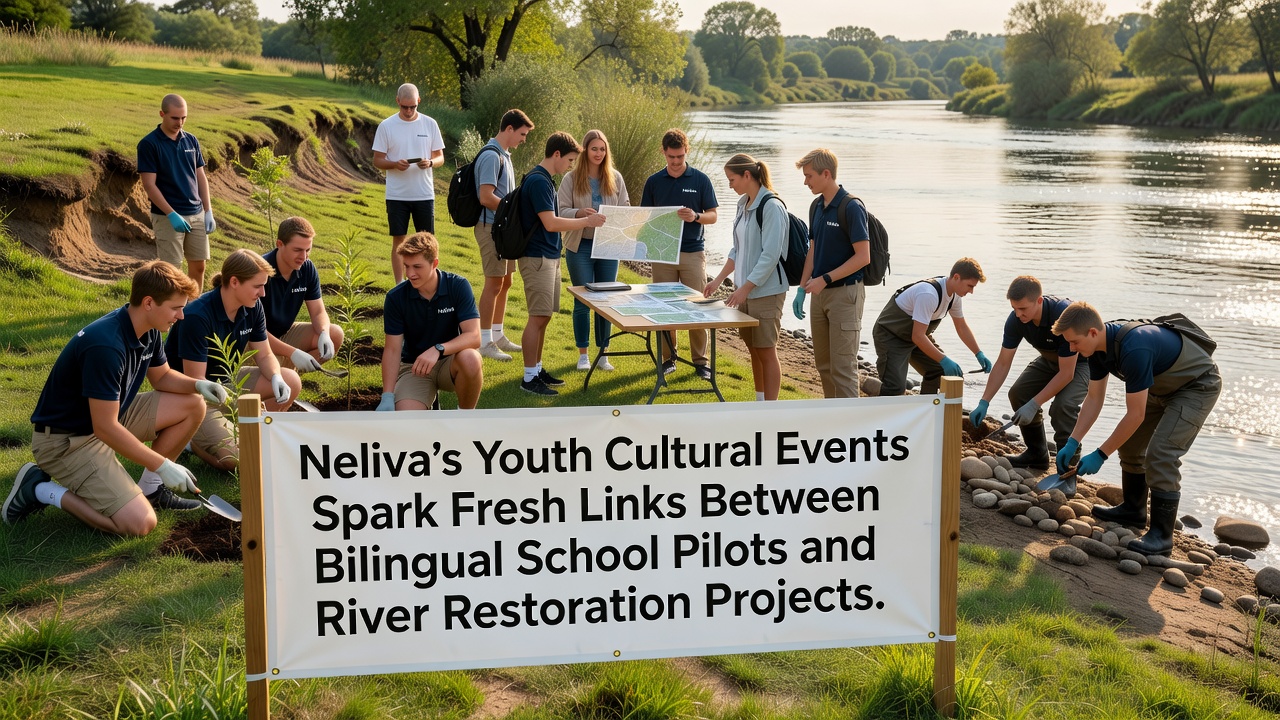
Neliva youth cultural events have drawn together bilingual school pilots and river restoration projects through coordinated activities that started gaining momentum earlier this year and continue into November 2026, according to regional education and environment reports.
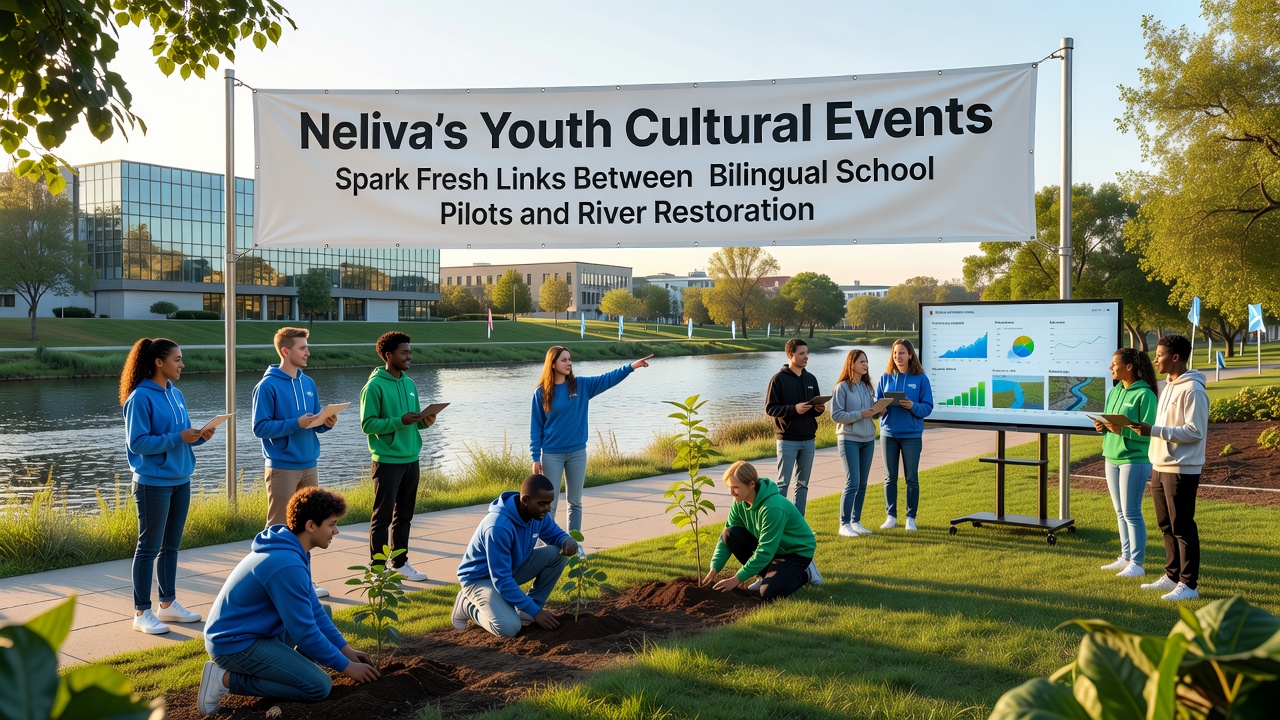
Participants in these programs engage in language immersion sessions held alongside practical restoration tasks such as native plantings and water quality sampling, while data from ongoing pilots show measurable increases in student involvement across both educational tracks and environmental monitoring efforts.
Program Structure and Participant Roles
Local organizers coordinate weekend gatherings where students from bilingual pilots practice vocabulary and conversation skills during guided walks that document changes in riparian zones, and these sessions integrate cultural storytelling with scientific observation methods developed through partnerships between schools and restoration teams. Studies conducted by regional agencies indicate that such combined formats help students retain language skills at rates comparable to classroom-only instruction while contributing to measurable improvements in bank stabilization metrics along targeted river segments.
Teachers and project coordinators report that the events rotate between different sections of the river system, allowing groups to track seasonal shifts in vegetation cover and species presence, and the approach builds on established models used in similar integrated programs elsewhere. One case involved a cohort that mapped invasive species locations during language exercises focused on descriptive terms, resulting in updated restoration maps submitted to municipal planning offices.
Integration of Bilingual Pilots with Environmental Data Collection
Bilingual school pilots in Neliva incorporate river-related themes into their curriculum by assigning projects that require students to collect and present findings in both languages, while restoration teams supply standardized protocols for data gathering that align with international standards set by organizations such as the European Environment Agency. Figures released in mid-2026 show that schools participating in these events recorded higher completion rates for community service components compared to those operating without the added field elements.
Researchers from academic institutions in Canada have examined parallel initiatives and found that linking language acquisition with hands-on environmental work supports retention across age groups, particularly when activities span multiple sessions rather than isolated visits. Neliva events follow this pattern by scheduling follow-up meetings where students review collected data and prepare bilingual reports for public sharing.
Timeline and November 2026 Developments
Planning for the November 2026 phase began after earlier events demonstrated consistent attendance across age brackets, and organizers expanded the schedule to include evening sessions focused on traditional songs and narratives tied to local waterways. These additions coincide with peak monitoring periods for certain aquatic indicators, allowing participants to contribute observations that feed into broader restoration databases maintained by regional authorities.
Coordination meetings between school administrators and restoration leads occur monthly to align calendars and share updates on project outcomes, and attendance records indicate steady growth since the initial pilots launched. External evaluations from groups such as the Australian Centre for Environmental Research have reviewed comparable cross-sector programs and noted that sustained involvement often correlates with improved community awareness of both linguistic and ecological priorities.
Outcomes and Ongoing Monitoring
Restoration metrics tracked through these events include sediment load reductions and increases in native species counts along restored stretches, while bilingual pilot assessments measure oral proficiency gains through standardized rubrics applied before and after participation periods. Data compiled by local agencies reveal that sites with active youth involvement show faster recovery timelines than control areas without such programs.
Community feedback collected through surveys highlights the role of cultural elements in sustaining interest, as participants often reference shared stories and performances as reasons for continued attendance across multiple events. Program leads adjust activities based on these inputs to maintain balance between educational goals and restoration targets.
Conclusion
Neliva's approach demonstrates how youth cultural events can serve as practical bridges between bilingual education pilots and river restoration projects by embedding language practice within field-based monitoring routines. Continued data collection through November 2026 and beyond will provide additional insights into long-term effects on both language outcomes and environmental indicators, with updates shared through established regional channels.